 Business License

Application Areas of 2-Hydroxyphosphonoacetic Acid (HPAA)
2-Hydroxyphosphonoacetic Acid (HPAA) is primarily utilized as a high-performance, cathodic corrosion inhibitor in industrial water treatment, distinguished by its exceptional efficacy on mild steel and strong synergistic action with zinc ions.
Core Application: Industrial Water Treatment
HPAA is widely applied in circulating cooling water systems across the steel, petrochemical, electric power, and pharmaceutical industries.
Its primary role is corrosion inhibition rather than scale inhibition. HPAA functions as a cathodic inhibitor, forming a thin, adherent complex film on cathodic sites of metal surfaces to stifle the reduction reaction. Comparative data indicates that its corrosion inhibition efficiency on mild steel is 5 to 8 times greater than that of HEDP, particularly in soft water environments where corrosion, rather than scaling, is the dominant concern.
Key Synergistic and Formulation Uses
Synergy with Zinc Salts: HPAA exhibits profound synergy with zinc ions (Zn²⁺). It chelates zinc in solution, improving zinc solubility and preventing its precipitation. This combination significantly enhances corrosion protection while allowing for reduced dosage of both components.
Replacement for Molybdate: In formulations requiring "all-organic" or reduced-toxicity profiles, HPAA can serve as a substitute for molybdate corrosion inhibitors in environmentally sensitive discharge areas.
High-Temperature Stability: Its thermal stability (up to approximately 160–200°C) makes it suitable for high-temperature systems where other inhibitors might degrade.
Secondary and Niche Applications
Oilfield Water Systems: Specifically recommended as a cathodic corrosion inhibitor for oilfield refill water systems (water injection systems). It is also noted for use in treating scale and corrosion issues associated with oilfield formation waters containing barium and strontium ions.
Metal Processing Fluids: HPAA is used as a corrosion inhibitor additive in aqueous cutting fluids and metalworking fluids, helping to prevent rust on cast iron and steel components during machining and storage.
Industrial Cleaning: It can be formulated into cleaning agents to remove metal surface oxides and oils, leveraging its chelating and emulsifying properties.
Recently Posted
-
Application Areas of 2-Hydroxyphosphonoacetic Acid (HPAA)
October 19, 20262-Hydroxyphosphonoacetic Acid (HPAA) is primarily applied as a high-performance cathodic corrosion inhibitor for industrial water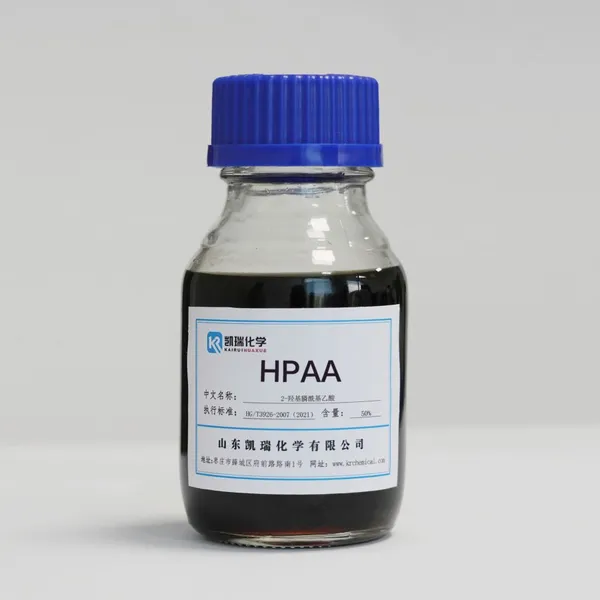 Read More
-
Benzalkonium Chloride (Dodecyl Dimethyl Benzyl Ammonium Chloride) (DDBAC/BKC)
September 29, 2026CAS No.8001-54-5 or 63449-41-2,139-07-1EINECS No.264-151-6,205-351-5Molecular FormulaC22H40NClMolecular Weight354.0Product Feature Read More
-
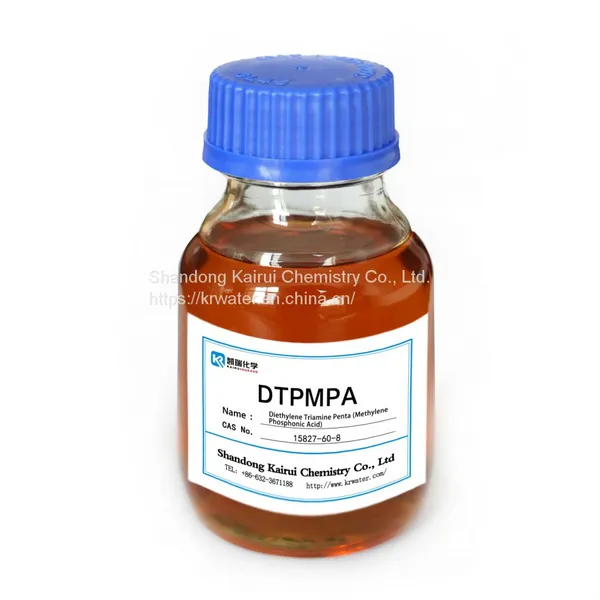
Diethylene Triamine Penta (Methylene Phosphonic Acid) (DTPMPA)
September 21, 2026CAS No.15827-60-8EINECS No.239-931-4Molecular FormulaC9H28O15N3P5Molecular Weight573.2Product FeaturesDTPMPA is innocuous, easy to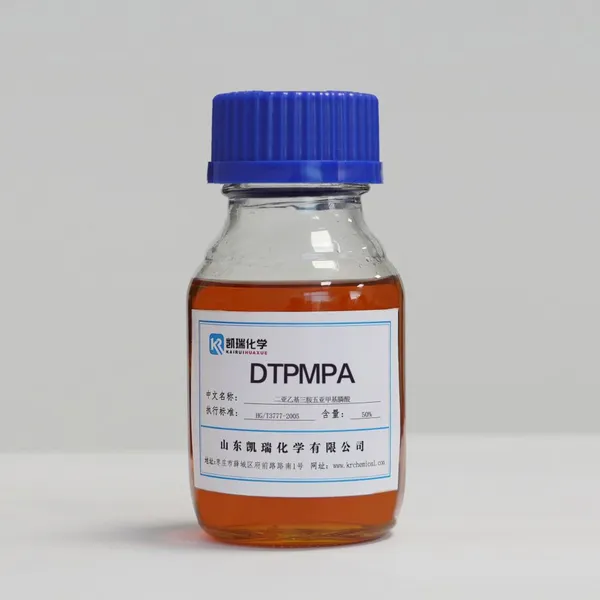 Read More
-
2-Phosphonobutane -1,2,4-Tricarboxylic Acid (PBTC)
September 16, 20262-Phosphonobutane-1,2,4-Tricarboxylic Acid (PBTC, also abbreviated as PBTCA) is a highly effective scale and corrosion inhibitor w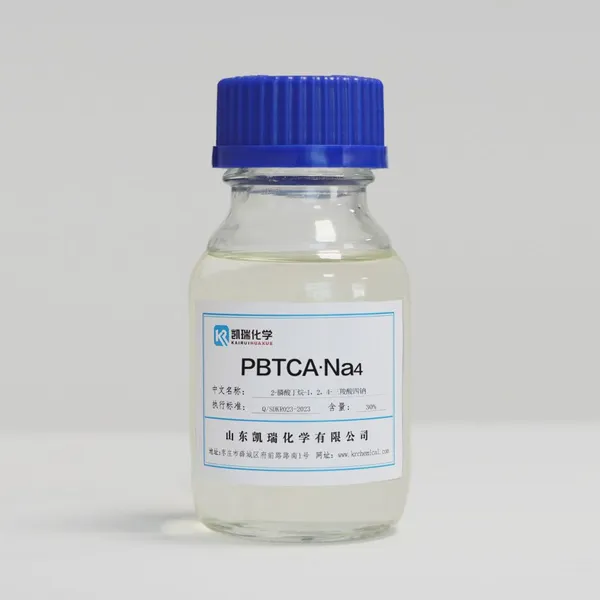 Read More

Contact Us
Recommended Products
-
 HPAA/HPAA Scale InhibitorUS$ 999 - 9999MOQ: 1 Ton
-
What is the Specific Application of HEDP in Metal Corrosion Protection?US$ 99 - 9999MOQ: 1 Ton
-
PAC Applications/PAC ManufacturersNegotiableMOQ: 1 Ton
-
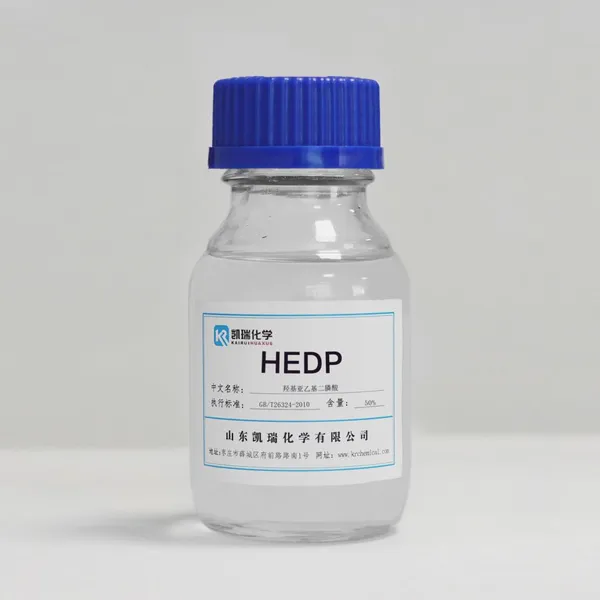
HEDP Manufacturers/HEDP Introduction/CAS 2809-21-4US$ 999 - 9999MOQ: 1 Ton
-
Specifications for Using Migrating Corrosion InhibitorUS$ 999 - 9999MOQ: 1 Ton
-
What is the Antiscaling Effect of HEDP Antiscalant?-Kairui ChemistryUS$ 999 - 9999MOQ: 1 Ton
-
Water Treatment Chemical/Ethylene Diamine Tetra (Methylene Phosphonic Acid) EDTMPA (Solid)NegotiableMOQ: 1 Ton
-
In What Fields Can ATBS.Na be Applied?US$ 99 - 9999MOQ: 1 Chain
-
HMDTMPA/Water Treatment Chemicals/Corrosion Inhibitors/HMDTMPA ManufacturersUS$ 99 - 9999MOQ: 1 Ton
-
Things to Note in HEDP Applications/scale Inhibition HEDP/Scale InhibitionNegotiableMOQ: 1 Ton
-
Diethylene Triamine Penta (Methylene Phosphonic Acid) (DTPMPA)US$ 99 - 9999MOQ: 1 Ton
-
What is the Difference Between HEDP and ATMP?US$ 99 - 9999MOQ: 1 Ton
-
Application of ATMP in Daily Chemicals/ATMP ManufacturersUS$ 99 - 9999MOQ: 1 Ton
-
Chemical PCA/Dispersants PCA/PCANegotiableMOQ: 1 Ton
-
Application of HEDP in Daily ChemicalsUS$ 99 - 9999MOQ: 1 Ton
-
The Mechanism of Action of HEDP as a Corrosion and Scale InhibitorUS$ 99 - 9999MOQ: 1 Ton
-
HPMA/Corrosion Inhibitors/Chelating Agents/Water Treatment ChemicalsNegotiableMOQ: 1 Ton
-
HEDP/Water Treatment Chemicals/Corrosion Inhibitors/Chelating AgentsUS$ 99 - 9999MOQ: 1 Ton
-
What Are the Solubility and Stability of HEDP?US$ 99 - 9999MOQ: 1 Ton
-
Can PASP be Used in the Daily Chemical Industry?US$ 999 - 9999MOQ: 1 Ton