 Business License

2-Phosphonobutane -1,2,4-Tricarboxylic Acid (PBTC)
2-Phosphonobutane-1,2,4-Tricarboxylic Acid (PBTC, also abbreviated as PBTCA) is a highly effective scale and corrosion inhibitor widely used in industrial water treatment. Its molecular structure combines both phosphonic acid and carboxylic acid groups, which gives it superior performance compared to traditional organophosphonates, particularly under harsh conditions.
Primary Applications
Industrial Water Treatment is the dominant application. PBTC is used in circulating cooling water systems, boiler water systems, and oilfield water injection systems to prevent the formation of scale (calcium carbonate, calcium phosphate) and corrosion. It performs exceptionally well in high-temperature, high-hardness, high-alkalinity, and high-pH environments, making it suitable for systems operating at high concentration ratios.
Key advantages in this field include:
Superior high-temperature scale inhibition compared to standard organophosphonates like HEDP or ATMP
Excellent zinc salt stabilization, keeping zinc soluble even at pH 9.5
Good chlorine oxidation tolerance, making it compatible with halogen-based biocides (chlorine, bleach, bromine)
Low phosphorus content, which is environmentally favorable compared to other phosphonates
Typical dosage when used alone is 5-15 mg/L, though it is most often compounded with zinc salts, copolymers, and azoles for synergistic effects.
Other Industrial Uses
Industrial & Household Cleaning: PBTC is used as a chelating agent and metal detergent in industrial cleaners, liquid dishwashing concentrates, and disinfectants. It helps sequester metal ions and prevents scale in cleaning formulations, especially in alkaline solutions.
Metal Surface Treatment: It serves as a corrosion inhibitor for steel in metal surface treatment processes.
Textile Auxiliaries: Used as a sequestering agent to control metal ions during textile processing.
Other Applications: It is also cited as a chemical intermediate in insecticides, dry-cleaning soaps, gas absorbents, rubber chemicals, and plasticizers, as well as a retardant in concrete.
Quality Supplier:
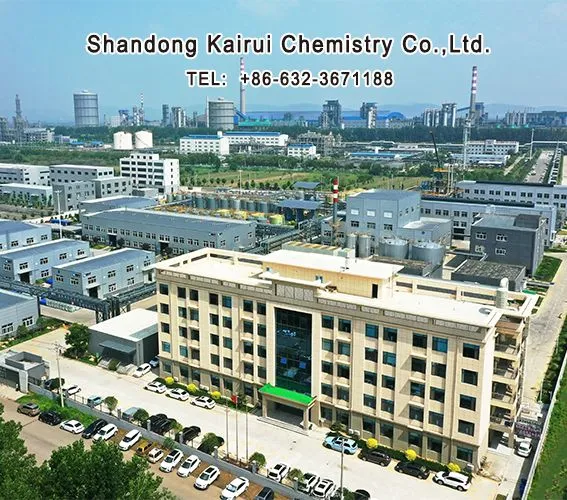
Shandong Kairui Chemistry Co.,Ltd.
Zaozhuang Kairui Water Treatment Co., Ltd.
Key Practical Notes
Form: Usually supplied as a 50% aqueous solution, appearing as a colorless to pale yellow liquid.
Stability: Stable under high temperatures (up to 120°C), resistant to acids, alkalis, and oxidants, and does not hydrolyze even at pH > 14.
Toxicity: Low acute toxicity (oral LD50 > 6500 mg/kg in rats), but it is an acidic substance and can cause eye and skin irritation.
Environmental: Not readily biodegradable, though it does not bioaccumulate.
Recently Posted
-
Benzalkonium Chloride (Dodecyl Dimethyl Benzyl Ammonium Chloride) (DDBAC/BKC)
September 29, 2026CAS No.8001-54-5 or 63449-41-2,139-07-1EINECS No.264-151-6,205-351-5Molecular FormulaC22H40NClMolecular Weight354.0Product Feature Read More
 -
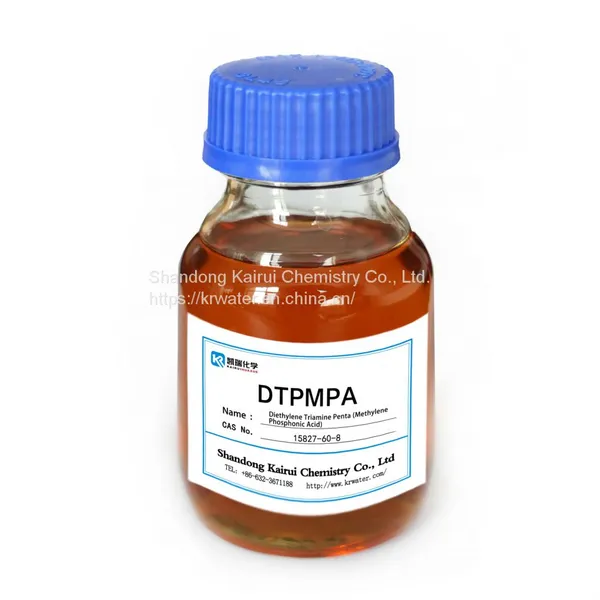
Diethylene Triamine Penta (Methylene Phosphonic Acid) (DTPMPA)
September 21, 2026CAS No.15827-60-8EINECS No.239-931-4Molecular FormulaC9H28O15N3P5Molecular Weight573.2Product FeaturesDTPMPA is innocuous, easy to Read More
 -
Scale inhibitor 1-Hydroxy Ethylidene-1,1-Diphosphonic Acid (HEDP)
September 9, 20261-Hydroxy Ethylidene-1,1-Diphosphonic Acid (HEDP) is an organophosphonic acid scale and corrosion inhibitor widely used in water t Read More
 -
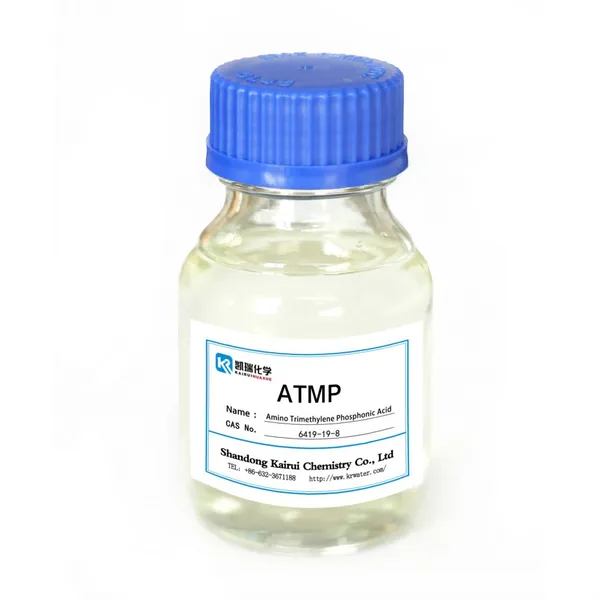
ATMP scale inhibitor, ATMP price
March 10, 2026ATMP (Amino Trimethylene Phosphonic Acid) is a highly effective scale inhibitor widely used in industrial water treatment.
Read More

Contact Us
Recommended Products
-
 HPAA/HPAA Scale InhibitorUS$ 999 - 9999MOQ: 1 Ton
 -
What is the Specific Application of HEDP in Metal Corrosion Protection?US$ 99 - 9999MOQ: 1 Ton
-
PAC Applications/PAC ManufacturersNegotiableMOQ: 1 Ton
-
HEDP Manufacturers/HEDP Introduction/CAS 2809-21-4US$ 999 - 9999MOQ: 1 Ton
-
Specifications for Using Migrating Corrosion InhibitorUS$ 999 - 9999MOQ: 1 Ton
-
What is the Antiscaling Effect of HEDP Antiscalant?-Kairui ChemistryUS$ 999 - 9999MOQ: 1 Ton
-
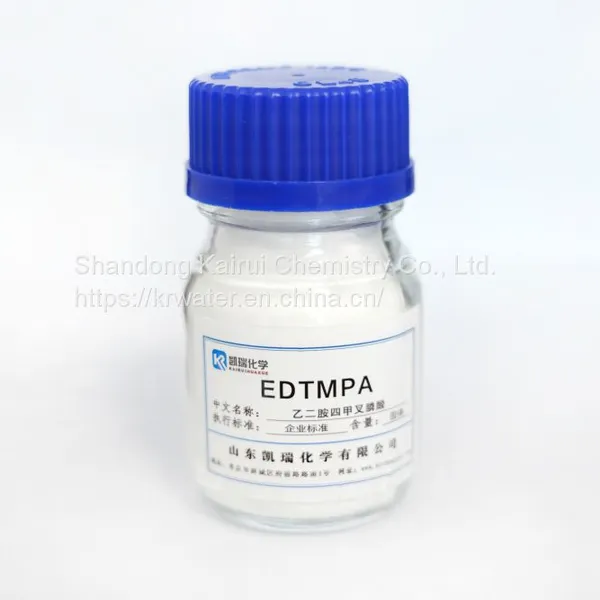
Water Treatment Chemical/Ethylene Diamine Tetra (Methylene Phosphonic Acid) EDTMPA (Solid)NegotiableMOQ: 1 Ton
-
In What Fields Can ATBS.Na be Applied?US$ 99 - 9999MOQ: 1 Chain
-
HMDTMPA/Water Treatment Chemicals/Corrosion Inhibitors/HMDTMPA ManufacturersUS$ 99 - 9999MOQ: 1 Ton
-
Things to Note in HEDP Applications/scale Inhibition HEDP/Scale InhibitionNegotiableMOQ: 1 Ton
-
Diethylene Triamine Penta (Methylene Phosphonic Acid) (DTPMPA)US$ 99 - 9999MOQ: 1 Ton
-
What is the Difference Between HEDP and ATMP?US$ 99 - 9999MOQ: 1 Ton
-
Application of ATMP in Daily Chemicals/ATMP ManufacturersUS$ 99 - 9999MOQ: 1 Ton
-
Chemical PCA/Dispersants PCA/PCANegotiableMOQ: 1 Ton
-
Application of HEDP in Daily ChemicalsUS$ 99 - 9999MOQ: 1 Ton
-
The Mechanism of Action of HEDP as a Corrosion and Scale InhibitorUS$ 99 - 9999MOQ: 1 Ton
-
HPMA/Corrosion Inhibitors/Chelating Agents/Water Treatment ChemicalsNegotiableMOQ: 1 Ton
-
HEDP/Water Treatment Chemicals/Corrosion Inhibitors/Chelating AgentsUS$ 99 - 9999MOQ: 1 Ton
-
What Are the Solubility and Stability of HEDP?US$ 99 - 9999MOQ: 1 Ton
-
Can PASP be Used in the Daily Chemical Industry?US$ 999 - 9999MOQ: 1 Ton